5 Mistakes Keeping Your Dry Skin Dry
Why your moisturizer is not working: five habits that prevent dry skin from ever getting properly hydrated.
5 Mistakes Keeping Your Dry Skin Dry (No Matter How Much You Moisturize)
You have tried every moisturizer recommended online. You apply it morning and night. Your skin still feels tight by midday, still flakes at the corners of your nose, still looks dull no matter what you put on it.
The problem is almost never the moisturizer itself. It is one of these five habits that consistently prevent dry skin from ever getting properly hydrated, regardless of what products you use.
Mistake 1: Applying Moisturizer to Completely Dry Skin
Why it matters: Moisturizers work by trapping moisture in the skin. But if there is no moisture present to trap, humectant ingredients like hyaluronic acid and glycerin have nothing to work with. Applied to bone-dry skin, they can actually draw moisture from the deeper layers of the skin to the surface, where it then evaporates into the air, leaving skin drier than before.
The skin absorbs products most efficiently when it is slightly damp. This is not a minor technicality. It is one of the most impactful changes you can make to how well your skincare actually works.
The fix: Apply your serum and moisturizer within 30 to 60 seconds of patting your face dry after cleansing, while skin is still slightly damp. If you have dried off completely, mist your face lightly with water before applying your moisturizer. This simple change alone often produces a noticeable improvement in how moisturized skin feels throughout the day.
Mistake 2: Using the Wrong Cleanser
Why it matters: Cleansers are rinsed off and spend less than a minute on your skin, so it is tempting to underestimate their impact. But a harsh, stripping cleanser can damage the skin barrier in that short contact time, and the damage accumulates with twice-daily use.
Foaming cleansers, particularly those containing sodium lauryl sulfate (SLS) or sodium laureth sulfate (SLES), are highly effective at removing oil but indiscriminate. They remove the protective oils that keep dry skin healthy alongside the dirt and debris they are meant to target. The result is a skin barrier that is increasingly compromised, increasingly poor at holding moisture, and increasingly vulnerable to environmental irritants.
If your skin feels tight immediately after cleansing, your cleanser is too harsh.
The fix: Switch to a fragrance-free, non-foaming cream or gel cleanser designed for dry or sensitive skin. Key labels to look for: "hydrating," "gentle," "non-stripping," "sulfate-free." Cleanse with lukewarm (not hot) water and pat dry with a soft towel rather than rubbing.
Good options: CeraVe Hydrating Facial Cleanser, La Roche-Posay Toleriane Hydrating Gentle Cleanser, Vanicream Gentle Facial Cleanser, Tatcha The Rice Wash.
Mistake 3: Skipping the Occlusive Step
Why it matters: Most people with dry skin use a moisturizer and stop there. But for genuinely dry skin, a moisturizer alone is often not enough to prevent transepidermal water loss (TEWL), the rate at which moisture evaporates from the skin's surface.
The missing step is an occlusive ingredient: something that forms a physical seal over the skin to prevent that evaporation. Occlusives do not add moisture. They lock in the moisture that your humectant and emollient ingredients have already delivered.
Without an occlusive layer, well-hydrated skin in a dry environment (which includes most indoor environments with heating or air conditioning) will lose moisture within hours. This is why your skin can feel perfectly hydrated right after your routine and tight again by early afternoon.
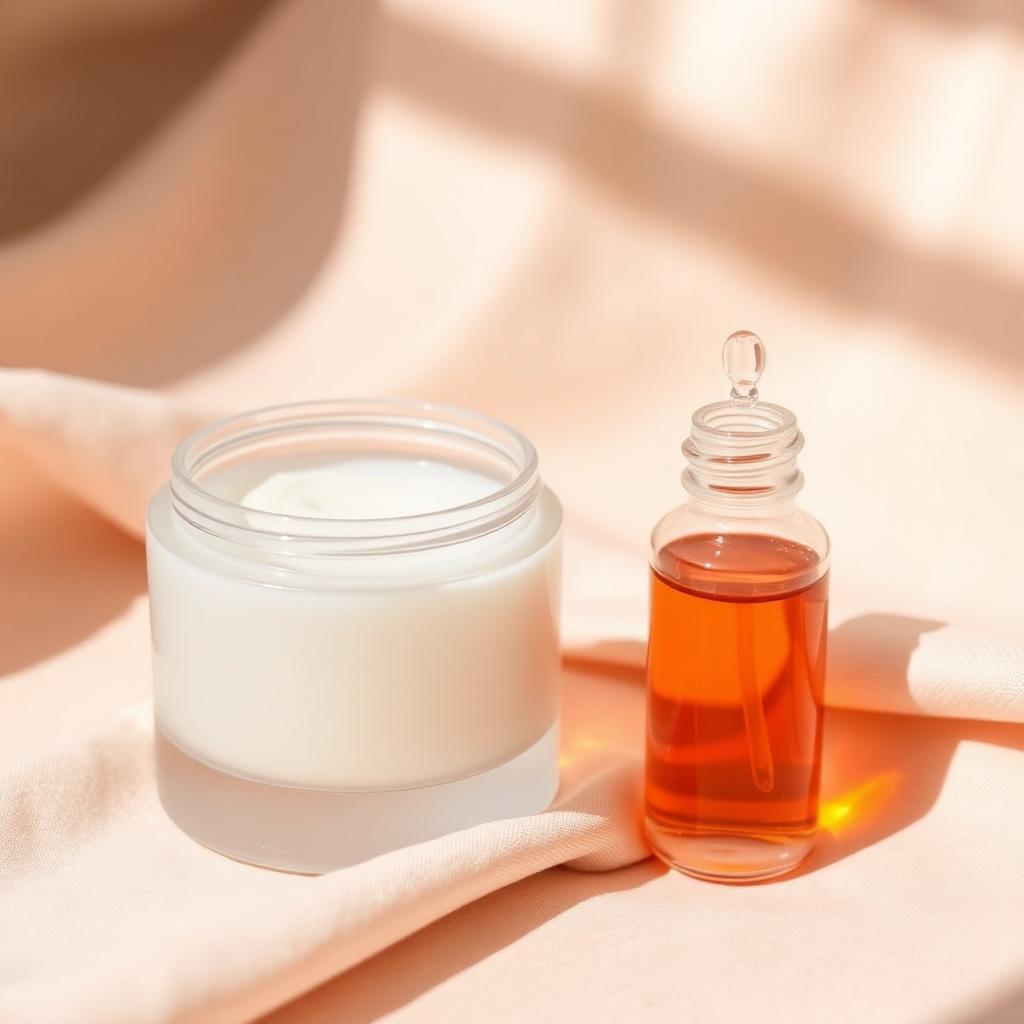
The fix: Add a small amount of an occlusive product as your final skincare step, particularly in your evening routine. Options range from a few drops of squalane oil layered over your moisturizer to a thin film of petrolatum (plain Vaseline) applied as the absolute last step before bed. The "slugging" technique, applying a thin layer of petrolatum over your entire routine, is particularly effective for very dry or compromised skin.
Good occlusives for dry skin: Squalane oil (lightweight, non-comedogenic), plain petroleum jelly (strongest seal), Aquaphor Healing Ointment (petrolatum + lanolin), shea butter-rich creams.
Mistake 4: Over-Exfoliating an Already Dry Barrier
Why it matters: Dry skin accumulates dead skin cells that make it look dull and feel rough, which naturally leads to the assumption that more exfoliation is the answer. But over-exfoliation is one of the fastest ways to worsen dry skin because the skin barrier is already fragile. Stripping it further makes moisture retention even harder, increases sensitivity, and triggers inflammation that slows repair.
Signs you are over-exfoliating: skin that stings when you apply products that did not use to bother you, redness that does not resolve, worsening flakiness rather than improvement, and a shiny, almost raw-looking surface.
The fix: Limit exfoliation to once or twice a week maximum for dry skin. Choose lactic acid as your exfoliant of choice over glycolic acid. Lactic acid is the gentlest AHA and uniquely also acts as a humectant, meaning it hydrates while it exfoliates. Concentration should be 5% to 10% for dry skin. Never exfoliate on the same night as retinol. After exfoliating, apply your full moisturizing routine immediately while skin is still slightly damp.
If your skin is currently in a reactive, flaky state, stop exfoliating entirely for two to four weeks and focus only on barrier repair before reintroducing any exfoliant.
Mistake 5: Relying Only on Topical Products
Why it matters: Topical skincare addresses the surface of the skin. But skin health is also an inside-out process influenced by hydration, nutrition, sleep, and environment. Dry skin that does not respond adequately to a well-formulated routine is often also being affected by factors that topical products cannot fully compensate for.
Hydration: Chronic dehydration (not drinking enough water) reduces skin's ability to maintain moisture at the cellular level. The skin is the last organ to receive water after the body's other needs are met. This does not mean drinking more water cures dry skin, but it does mean that consistent dehydration will undermine even the best topical routine.
Humidity: Indoor heating in winter and air conditioning in summer both significantly reduce ambient humidity, accelerating transepidermal water loss. Running a humidifier in your bedroom, where you spend seven or more hours, can meaningfully improve how skin feels and responds to products.
Omega fatty acids: Research supports the role of dietary omega-3 and omega-6 fatty acids in maintaining skin barrier function and reducing transepidermal water loss. Foods rich in these include fatty fish, walnuts, flaxseed, and evening primrose oil. Supplementation with evening primrose oil or fish oil has shown benefit for dry skin in several studies.
Sleep: Skin repair, including barrier regeneration, peaks during sleep. Chronic sleep deprivation measurably impairs skin barrier recovery after disruption.
The fix: Assess your water intake, indoor humidity, diet, and sleep quality alongside your topical routine. A humidifier costs less than one luxury serum and often has a more noticeable impact on dry skin than a product change.
The Bottom Line
If your dry skin is not improving despite a consistent routine, the problem is almost always one of these five habits rather than the products themselves. Apply moisturizer to damp skin, cleanse gently, seal with an occlusive, exfoliate infrequently and gently, and support your skin from the inside out. These changes, done consistently, transform dry skin more effectively than any product switch.
Related reading on The Gilded Glow:
- 9 Best Ingredients for Dry Skin That Actually Restore Moisture
- What Is Hyaluronic Acid and Do You Actually Need It?
- How to Figure Out Your Skin Type