What Is Hyaluronic Acid and Do You Actually Need It?
How HA actually works, the one application mistake that cancels it out, and how to layer it for plump, hydrated skin.
What Is Hyaluronic Acid and Do You Actually Need It?
Walk down any skincare aisle and you'll find hyaluronic acid in just about everything: serums, moisturizers, eye creams, toners, even foundation. It's one of the most hyped ingredients in modern skincare, and unlike many ingredients that ride the trend wave and fade, this one has earned its place in the conversation.
But what does it actually do? And is it something your skin genuinely needs, or is it another clever marketing buzzword?
Here's the real story.
What Is Hyaluronic Acid?
Hyaluronic acid (HA) is a naturally occurring sugar molecule found throughout your body, in your skin, connective tissue, and joints. Its primary job is to attract and hold onto water. In fact, a single molecule of hyaluronic acid can hold up to 1,000 times its weight in water, which makes it an extraordinarily effective humectant.
Your skin naturally produces hyaluronic acid, but production decreases with age, sun exposure, and environmental stress. By your 40s and 50s, your skin holds significantly less HA than it did in your 20s, which contributes to the appearance of dryness, loss of plumpness, and fine lines.
Topical hyaluronic acid in skincare products works by drawing moisture from the environment and from the deeper layers of your skin to the surface, keeping the outer layer hydrated, supple, and visibly plumper.
The Different Types of Hyaluronic Acid
Not all hyaluronic acid is created equal. Products use different molecular weights of HA, and each penetrates the skin to a different depth.
High molecular weight HA: Sits on the surface of the skin and forms a film that prevents moisture loss. It gives that immediate plumping and smoothing effect you feel right after applying a serum. It's great for surface-level hydration and works fast.
Low molecular weight HA: Smaller molecules that can penetrate deeper into the skin, potentially offering longer-lasting hydration and more structural support. Some research suggests it may stimulate collagen production in the deeper layers, though the evidence on this is still developing.
Sodium hyaluronate: A salt form of hyaluronic acid that's smaller and more stable than HA itself. It penetrates the skin slightly more effectively and is what you'll most often find listed on ingredient labels.
The best products tend to use multiple molecular weights to deliver hydration at different layers of the skin simultaneously.
What Hyaluronic Acid Actually Does (and Doesn't Do)
What it does:
- Hydrates the skin's surface and draws moisture in
- Plumps skin and temporarily reduces the appearance of fine lines caused by dehydration
- Supports and strengthens the skin barrier
- Soothes irritated or sensitized skin
- Makes skin feel softer and look more dewy and radiant
- Works well alongside nearly every other skincare ingredient
What it doesn't do:
- Permanently erase wrinkles (it plumps temporarily, but it's not filler)
- Replace a moisturizer (it pulls water in, but you need an occlusive ingredient to seal that moisture in)
- Work for everyone in every climate (more on this below)
- Act as a treatment for acne, hyperpigmentation, or other skin conditions (it hydrates, it doesn't target those concerns)
The One Mistake Everyone Makes with Hyaluronic Acid
Here's something the marketing doesn't always make clear: hyaluronic acid needs moisture to draw from. If you apply it to dry skin in a dry environment and don't follow it with a moisturizer, it can actually pull moisture from the deeper layers of your skin and evaporate it into the air, leaving skin feeling tighter and drier than before.
To get the full benefit of hyaluronic acid:
- Apply it to damp skin, right after cleansing while your face is still slightly moist, or mist your face with water first
- Follow immediately with a moisturizer to seal the hydration in
- If you live in a very dry climate, choose a product that combines hyaluronic acid with occlusives (like shea butter, squalane, or petrolatum) rather than a standalone HA serum
This two-step application is the difference between hyaluronic acid actually working and feeling like it did nothing.
Do You Actually Need Hyaluronic Acid?
The short answer is: it's one of the most broadly useful skincare ingredients out there, and very few people won't benefit from it.
Here's how it fits different skin types:
Dry skin: Yes, absolutely. HA adds an important layer of surface hydration and helps your skin hold onto the moisture you're putting in. Pair it with a rich moisturizer and occlusive for best results.
Oily skin: Yes, surprisingly. Oily skin can still be dehydrated (lacking water, not oil). HA provides hydration without adding oil or clogging pores. Look for water-based or gel formulas.
Acne-prone skin: Yes. HA is non-comedogenic, lightweight, and helps maintain a healthy skin barrier, which is important for anyone managing acne and using drying treatments like benzoyl peroxide or salicylic acid.
Sensitive skin: Yes, and it's one of the safest options out there. HA is naturally found in the body, so reactions are rare. It's gentle enough for rosacea-prone and reactive skin.
Mature skin: Yes, especially. As natural HA production drops with age, topical application helps compensate and maintains the plump, hydrated look that aging skin loses.
The only people who might find it less useful are those who live in very arid climates and choose standalone serum formulas without following with a moisturizer. In that case, the issue isn't the ingredient itself, it's the application.
How to Use Hyaluronic Acid in Your Routine
Hyaluronic acid is one of the easiest ingredients to incorporate because it plays well with everything.
Step 1: Cleanse your face and leave it slightly damp.
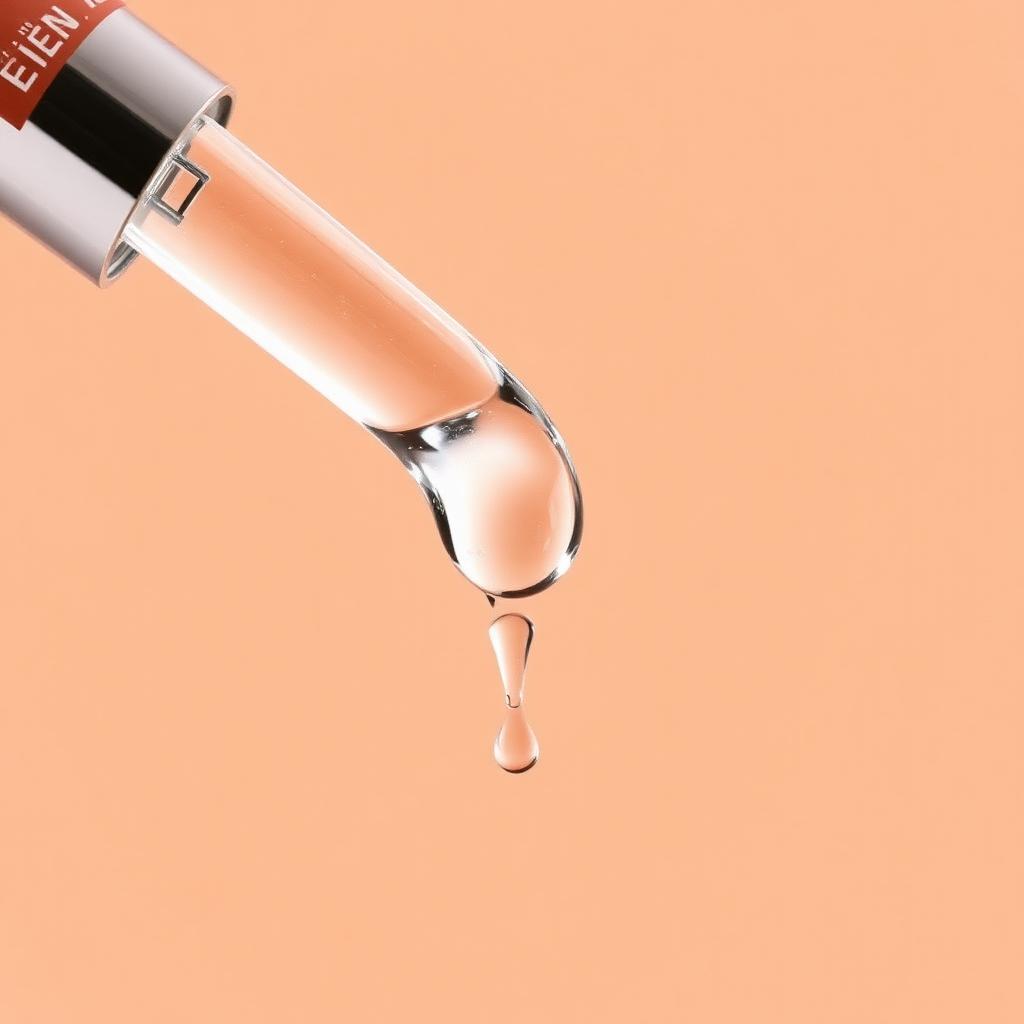
Step 2: If using a standalone HA serum, apply 2 to 3 drops and press gently into the skin.
Step 3: Immediately follow with your moisturizer to seal in the hydration. Don't wait for it to "absorb" before layering over it.
Step 4: In the morning, finish with SPF.
If your moisturizer already contains hyaluronic acid, you may not need a separate serum at all. Check your current products before buying something new.
Hyaluronic acid can be used both morning and night. There are no restrictions on frequency or timing.
Ingredients That Work Well with Hyaluronic Acid
One of the biggest selling points of HA is how universally compatible it is.
Vitamin C: Apply vitamin C serum first, let it absorb briefly, then layer HA on top. Together they brighten and hydrate.
Retinol: HA is one of the best ingredients to pair with retinol because it replenishes the hydration that retinol can deplete. Apply retinol first, then layer HA over it or use it in your moisturizer.
Niacinamide: An excellent combination for soothing, strengthening the skin barrier, and keeping skin calm and hydrated.
Peptides: Work synergistically with HA for plumping and firming effects, particularly useful in anti-aging routines.
Ceramides: Ceramides seal and protect the skin barrier while HA hydrates it. Many of the best moisturizers combine both.
What to Look for When Buying
When shopping for a hyaluronic acid product, here's what to prioritize:
Multiple molecular weights: Look for products that list both hyaluronic acid and sodium hyaluronate, or that specifically mention multi-weight HA. This gives you both surface-level and deeper hydration.
Supporting ingredients: HA serums that also contain glycerin, aloe vera, or panthenol provide additional humectant support. Those that include ceramides or squalane combine hydration with moisture sealing.
Concentration: You don't need a high percentage for HA to work. Even 1% to 2% is effective. Don't be swayed by products claiming 10% HA as inherently better.
Fragrance-free formulas: Especially important for sensitive or acne-prone skin.
Recommended products:
Affordable: The Ordinary Hyaluronic Acid 2% + B5, Neutrogena Hydro Boost Serum, e.l.f. Holy Hydration Serum
Mid-range: Paula's Choice Hyaluronic Acid Booster, Vichy Minéral 89, Kiehl's Ultra Pure High-Potency Serum 1.5% Hyaluronic Acid
Premium: Isdinceutics Hyaluronic Concentrate, Bioglossy Hyaluronic Acid Intensifier Hydrating Serum, La Mer The Moisturizing Soft Cream
Hyaluronic Acid vs. Fillers: Clearing Up the Confusion
A quick note since many people ask: injectable hyaluronic acid fillers (like Juvederm and Restylane) work very differently from topical HA. Fillers are injected directly into the tissue and physically add volume and structure beneath the skin. Topical HA hydrates the surface and can create a temporary plumping effect, but it cannot replicate the structural results of injectables.
Both are legitimate options and serve different purposes. Topical HA is an everyday skincare tool. Injectable HA is a cosmetic treatment. They're not competing against each other.
Final Thoughts
Hyaluronic acid is genuinely one of the most versatile and well-tolerated ingredients in skincare. It's not a miracle, but it's as close to a universally beneficial ingredient as the beauty industry has produced. Whether your concern is dryness, fine lines, post-acne barrier repair, or just wanting your skin to look more awake and healthy, HA earns its place in your routine.
Use it on damp skin, seal it in with moisturizer, and let it do what it does best: keep your skin hydrated, soft, and resilient.