Best Skincare Routine for Beginners
Three simple steps that beat any 12-step routine: cleanser, moisturizer, sunscreen, done well.
Best Skincare Routine for Beginners: A Simple Step-by-Step Guide
Starting a skincare routine can feel intimidating, especially when every product promises to change your skin overnight. The truth is, great skin doesn't require a 12-step routine or a bathroom full of serums. It starts with a few simple, consistent habits done well.
Whether you've never moisturized a day in your life or you're switching from a grab-whatever-is-in-the-shower approach, this guide will walk you through exactly what you need and in what order to use it.
Why a Skincare Routine Actually Matters
Your skin is your body's largest organ and its first line of defense against the environment. Daily exposure to pollution, UV rays, and weather conditions gradually breaks down collagen, disrupts the skin barrier, and leads to dullness, dryness, or breakouts.
A routine doesn't have to be complicated. Even just three steps done consistently every day will put you miles ahead of doing nothing at all. Think of it like brushing your teeth: it's not glamorous, but skipping it has consequences.
The Core Three: What Every Beginner Needs
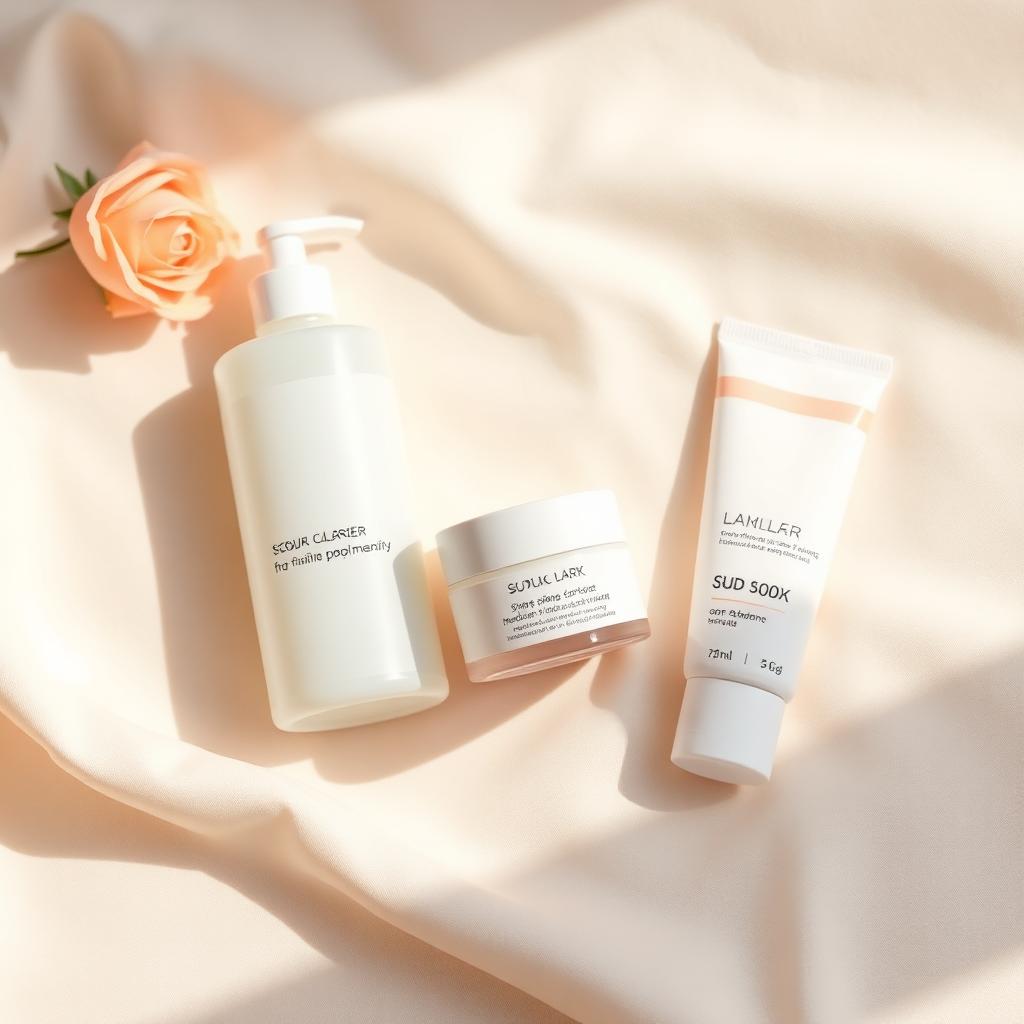
Before adding any extras, master these three steps. They form the foundation of every effective skincare routine.
1. Cleanser
A cleanser removes dirt, oil, pollution, and leftover makeup from your skin. Skipping this step means everything you apply afterward is sitting on top of a layer of grime, which makes products less effective and can clog pores.
What to look for: A gentle, sulfate-free cleanser that doesn't leave your skin feeling tight or squeaky clean after rinsing. That tight feeling means your skin's natural moisture barrier has been stripped, which is the opposite of what you want.
How to use it: Cleanse once in the morning and once at night. Use lukewarm water, not hot water, which can irritate skin. Spend about 30 to 60 seconds massaging the cleanser in gently, then rinse thoroughly.
Good beginner options: CeraVe Hydrating Cleanser, La Roche-Posay Toleriane Hydrating Gentle Cleanser, Neutrogena Ultra Gentle Daily Cleanser.
2. Moisturizer
Every skin type needs moisture, including oily skin. When skin is dehydrated, it actually produces more oil to compensate, which can lead to more breakouts. A good moisturizer keeps the skin barrier intact, reduces sensitivity, and helps skin look and feel healthier overall.
What to look for: Look for ingredients like hyaluronic acid, ceramides, or glycerin. These help attract and lock in moisture without clogging pores. If you have oily skin, choose a gel or water-based formula. If you have dry skin, go for something creamier and richer.
How to use it: Apply to slightly damp skin after cleansing, morning and night. A pea-sized to dime-sized amount is usually enough for the whole face.
Good beginner options: CeraVe Moisturizing Cream, Neutrogena Hydro Boost Water Gel, First Aid Beauty Ultra Repair Cream.
3. Sunscreen (Morning Only)
If you only add one product to your routine, make it sunscreen. UV exposure is the number one cause of premature aging, hyperpigmentation, and skin cancer. No serum or cream in the world can undo the damage that unprotected sun exposure causes over time.
What to look for: SPF 30 at minimum, though SPF 50 is better for daily use. Look for "broad spectrum" on the label, which means it protects against both UVA and UVB rays. If you hate the white cast or greasy feel of traditional sunscreens, there are now many lightweight, invisible formulas designed for daily wear.
How to use it: Apply as the last step in your morning routine, after moisturizer. Use about a teaspoon for the face and neck. Reapply every two hours if you're spending time outdoors.
Good beginner options: EltaMD UV Clear SPF 46, Supergoop Unseen Sunscreen SPF 40, Neutrogena Ultra Sheer Dry-Touch Sunscreen Lotion, Max 100+.
The Beginner Routine at a Glance
Morning
- Cleanser
- Moisturizer
- Sunscreen
Evening
- Cleanser
- Moisturizer
That's it to start. Seriously. Give this routine four to six weeks before adding anything else. Your skin needs time to adjust and for you to see what's working.
When You're Ready to Add More
Once your basic routine feels solid, you can start layering in targeted treatments. Here's the order in which most products should be applied, from thinnest to thickest consistency:
- Cleanser
- Toner (optional)
- Serum (vitamin C in the morning, retinol or niacinamide at night)
- Eye cream (optional)
- Moisturizer
- Sunscreen (morning only)
A few beginner-friendly additions worth considering:
Vitamin C serum (morning): Brightens skin, fades dark spots, and boosts the effectiveness of your sunscreen. Use it after cleansing and before moisturizer.
Niacinamide (morning or night): Reduces pore appearance, calms redness, and helps with oil control. One of the most versatile and well-tolerated ingredients in skincare.
Retinol (night, once or twice a week to start): The gold standard for anti-aging and cell turnover. Start slowly because it can cause irritation, dryness, and peeling when introduced too quickly.
Common Beginner Mistakes to Avoid
Doing too much too fast. Introducing three new products at once makes it impossible to know what's helping or what's causing a reaction. Add one new product at a time and wait two weeks before adding another.
Skipping sunscreen on cloudy days. UV rays penetrate clouds. If you're going outside, you need SPF regardless of the weather.
Exfoliating too often. More is not more when it comes to exfoliation. Over-exfoliating damages the skin barrier and causes redness, sensitivity, and breakouts. Once or twice a week is plenty for most people.
Expecting overnight results. Skincare works slowly. Most products take four to twelve weeks to show meaningful results. Consistency matters far more than finding the perfect product.
Using the same products regardless of season. Your skin's needs change with the weather. You may need a richer moisturizer in winter and a lighter one in summer.
How to Choose Products for Your Skin Type
Not sure what your skin type is? Here's a quick breakdown:
Dry skin feels tight, may flake, and rarely looks shiny. Go for richer, more hydrating formulas with ceramides and hyaluronic acid.
Oily skin looks shiny, especially in the T-zone (forehead, nose, chin), and is prone to breakouts. Go for lightweight, oil-free, or gel-based products.
Combination skin is oily in the T-zone but normal or dry on the cheeks. You may need to use different products on different areas, or find balanced formulas that work across both zones.
Sensitive skin reacts easily to products, fragrances, or environmental changes. Stick to fragrance-free, minimal-ingredient formulas and patch-test everything before applying to your full face.
Normal skin is balanced, not too oily or too dry, with minimal sensitivity. You have the most flexibility with products, but consistency still matters.
Final Thoughts
The best skincare routine is the one you'll actually stick to. Start simple, be consistent, and give your skin time to respond. You don't need the most expensive products or the longest routine. You need the right three steps, done every day, with a little patience.
Once you've nailed the basics, the world of skincare opens up in really exciting ways. But for now? Cleanser, moisturizer, sunscreen. That's your golden trio.