7 Best Skincare Ingredients for Oily Skin (And 5 to Avoid)
The actives that genuinely balance sebum, plus the common ingredients that quietly make oily skin worse.
7 Best Skincare Ingredients for Oily Skin (And 5 to Avoid)
Oily skin is not a problem to be punished. It is a skin type that, with the right ingredients, can be genuinely balanced rather than simply suppressed. The difference matters: suppression (stripping, drying out) causes rebound oiliness and long-term skin barrier damage. Balance (the right actives plus proper hydration) leads to consistently less shiny, clearer, healthier skin over time.
Here are the seven best ingredients for oily skin backed by dermatological evidence, and the five you should stop using.
The 7 Best Ingredients for Oily Skin
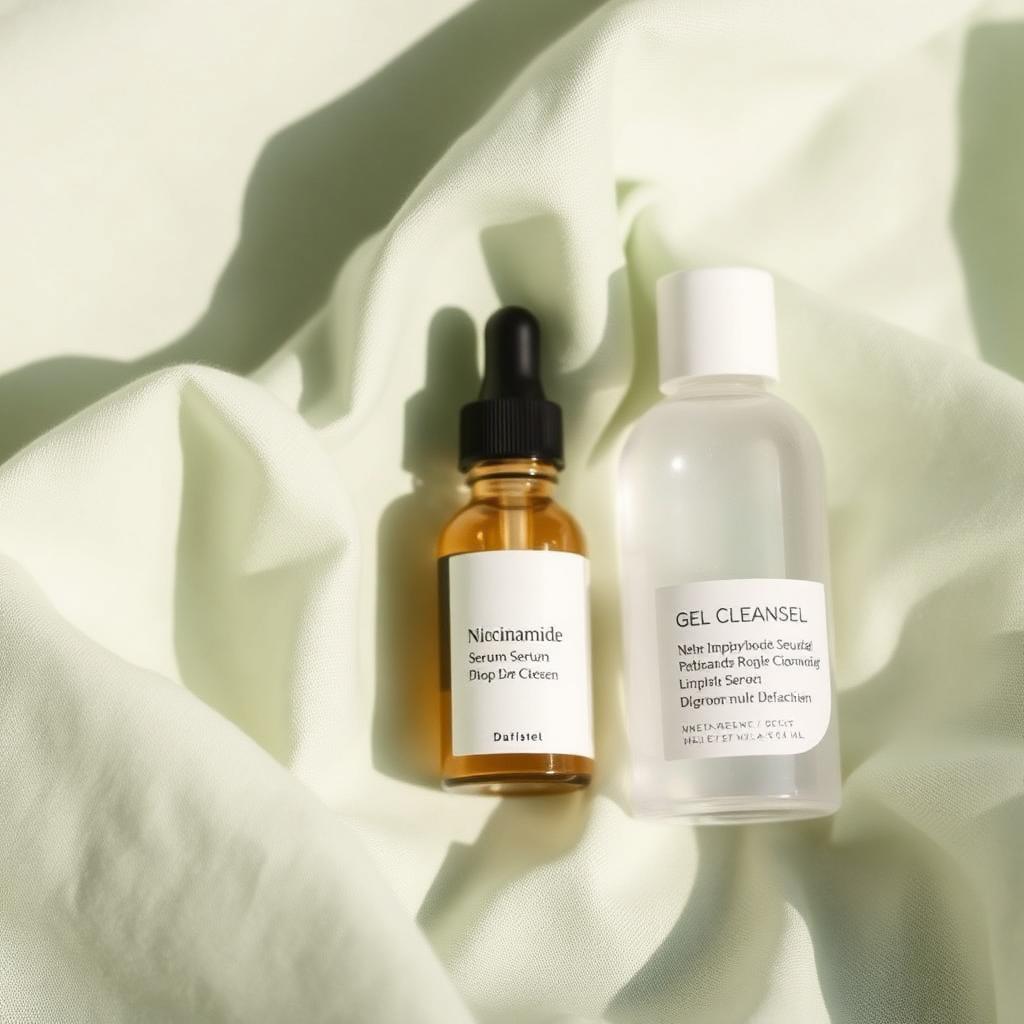
1. Niacinamide
Why it works: Niacinamide (vitamin B3) is the single most versatile ingredient for oily skin. Research published in the Journal of Cosmetic Dermatology found that 2% topical niacinamide significantly reduced sebum excretion rates after consistent use. It also minimizes pore appearance, reduces redness and blotchiness, strengthens the skin barrier, and has mild anti-inflammatory properties.
Unlike ingredients that work by stripping oil, niacinamide works at the cellular level by regulating how much oil the sebaceous glands produce in the first place. This leads to lasting improvement rather than a temporary mattifying effect.
How to use it: 5% to 10% concentration, morning and/or evening, applied after cleansing and before moisturizer. Well tolerated by virtually all oily skin types including sensitive oily skin.
Best products: The Ordinary Niacinamide 10% + Zinc 1%, Paula's Choice 10% Niacinamide Booster, Neutrogena Rapid Tone Repair Vitamin C + Niacinamide Serum, Naturium Niacinamide Serum 12%.
2. Salicylic Acid (BHA)
Why it works: Salicylic acid is a beta-hydroxy acid (BHA) and the most effective exfoliant for oily and acne-prone skin. Unlike alpha-hydroxy acids (AHAs) which are water-soluble and work on the skin's surface, salicylic acid is oil-soluble. This means it can penetrate through the oil in pores and exfoliate from the inside out, dissolving the debris that causes blackheads, whiteheads, and congestion.
It also has mild anti-inflammatory and antibacterial properties, making it particularly effective for skin dealing with both excess oil and breakouts.
How to use it: 0.5% to 2% concentration in cleansers, toners, or leave-on treatments. Start with two to three applications per week if you are new to it and build from there. Over-using salicylic acid can cause dryness and irritation, which triggers more oil production.
Best products: Paula's Choice Skin Perfecting 2% BHA Liquid Exfoliant (a benchmark product), COSRX BHA Blackhead Power Liquid, The Ordinary Salicylic Acid 2% Solution, La Roche-Posay Effaclar Micro-Peeling Purifying Gel.
3. Hyaluronic Acid
Why it works: Oily skin is often also dehydrated, meaning it lacks water (not oil). When skin is dehydrated, the brain signals the sebaceous glands to produce more oil to compensate. Providing lightweight hydration with hyaluronic acid directly addresses this cycle.
Hyaluronic acid holds up to 1,000 times its weight in water, delivering moisture to the skin without adding oil, heaviness, or pore-clogging ingredients. It is non-comedogenic, works for all skin types, and layers seamlessly under oil-free moisturizers.
How to use it: Apply to slightly damp skin after cleansing and before your moisturizer. Use morning and evening.
Best products: Neutrogena Hydro Boost Serum, The Ordinary Hyaluronic Acid 2% + B5, e.l.f. Holy Hydration Serum, Isntree Hyaluronic Acid Toner.
4. Zinc
Why it works: Zinc is a mineral with documented sebum-regulating and anti-inflammatory properties. It inhibits the enzyme (5-alpha reductase) that converts testosterone into DHT, the hormone most responsible for stimulating oil production. Studies have also shown zinc to have antibacterial effects against acne-causing bacteria.
It is most commonly paired with niacinamide (as in The Ordinary's popular niacinamide serum) or found in mineral sunscreens, where it provides UV protection alongside its oil-regulating benefits.
How to use it: Most effectively delivered through serums containing zinc PCA or zinc gluconate, or through zinc oxide-based mineral sunscreens.
Best products: The Ordinary Niacinamide 10% + Zinc 1%, Paula's Choice Clear Pore Normalizing Cleanser (zinc-containing), EltaMD UV Clear SPF 46 (contains niacinamide and zinc).
5. Retinol
Why it works for oily skin: Retinol is most often discussed in the context of anti-aging, but it is equally effective for oily and acne-prone skin. It speeds up cell turnover, which means dead skin cells shed efficiently rather than accumulating and mixing with oil to form pore blockages. Over time, it also reduces the size of sebaceous glands and decreases their activity.
Prescription tretinoin is the strongest and fastest-acting form. Over-the-counter retinol at 0.025% to 0.5% is effective for oily skin management and long-term pore refinement.
How to use it: Evening only. Start once a week, build to every other night, and eventually nightly if tolerated. Use a lightweight moisturizer on top. Do not pair with salicylic acid or AHAs on the same night.
Best products: CeraVe Resurfacing Retinol Serum (specifically formulated for oily/acne-prone skin), The Inkey List Retinol Serum, La Roche-Posay Effaclar Adapalene Gel (prescription-strength adapalene, available OTC in the US).
6. Green Tea Extract (EGCG)
Why it works: Green tea contains epigallocatechin gallate (EGCG), a polyphenol with significant antioxidant and anti-inflammatory properties. Research has shown that topical EGCG reduces sebum production, decreases inflammation in acne lesions, and protects against UV-induced free radical damage.
It is a gentler option for oily skin that is also sensitive or reactive, providing some of the sebum-regulating benefits of stronger actives without the potential irritation.
How to use it: Look for it in toners, serums, or moisturizers, ideally in the first five ingredients for meaningful concentration.
Best products: Innisfree Green Tea Seed Serum, Kiehl's Calendula & Aloe Soothing Hydration Masque, COSRX Full Fit Propolis Light Cream, Origins Checks and Balances Frothy Face Wash.
7. Kaolin and Bentonite Clay
Why it works: Clay minerals are highly effective at absorbing excess sebum from the skin's surface. Kaolin is the gentler of the two, suitable for daily use in some formulas. Bentonite is more powerful and better suited for occasional masking rather than daily use.
Clay is particularly useful as a targeted treatment for the T-zone, or as a weekly or twice-weekly mask to deep-clean pores and reduce shine without disrupting the overall skin barrier.
How to use it: In clay masks, one to two times per week maximum. Leave on for five to ten minutes and remove gently without scrubbing. Follow with moisturizer immediately to prevent rebound oiliness from over-drying.
Best products: Aztec Secret Indian Healing Clay (pure bentonite, mix with apple cider vinegar or water), Innisfree Super Volcanic Pore Clay Mask, Kiehl's Rare Earth Deep Pore Cleansing Masque, Origins Clear Improvement Charcoal Mask.
5 Ingredients to Avoid with Oily Skin
1. Coconut Oil and Other Heavy Oils
Coconut oil has a comedogenicity rating of 4 out of 5, meaning it is highly likely to clog pores. Despite its popularity as a "natural" skincare ingredient, it is one of the worst choices for oily and acne-prone skin. Other oils to avoid on the face include olive oil, castor oil in large amounts, and flaxseed oil.
Lightweight oils like squalane, rosehip, and jojoba are less comedogenic and far better tolerated by oily skin when a facial oil is desired.
2. High Concentrations of Denatured Alcohol
Alcohol (listed as SD alcohol, denatured alcohol, or alcohol denat.) in high concentrations creates a temporary mattifying effect that feels satisfying. But it disrupts the skin barrier, causes long-term dehydration, and triggers the rebound oil production cycle. Products that depend on alcohol for their mattifying effect are counterproductive for long-term oil management.
Look for "alcohol-free" on the label for toners and serums, or check that alcohol is listed low in the ingredient list if it appears at all.
3. Petrolatum and Thick Occlusive Creams
Petrolatum (Vaseline) and very heavy, occlusive moisturizers designed for dry skin can sit on oily skin without absorbing, creating a suffocating film over already-active sebaceous glands. These formulas are ideal for dry skin but wrong for oily skin, which needs lightweight, breathable hydration.
Stick to gel-based or water-based moisturizers labeled oil-free and non-comedogenic.
4. Silicone-Heavy Primers and Foundations
Dimethicone and other silicones smooth the skin's surface and temporarily reduce pore appearance. But when layered over already-oily skin without proper cleansing, they can trap oil and debris inside pores and contribute to congestion over time.
This does not mean avoiding all silicones, but it does mean prioritizing thorough cleansing at night and choosing breathable formulas over heavy silicone-based primers.
5. Over-Exfoliating (More is Not More)
Using salicylic acid daily, combined with a BHA toner and a physical scrub, is a common approach on oily skin that consistently backfires. Over-exfoliating strips the barrier, causes irritation and inflammation, and signals the oil glands to increase production. Two to three times per week of a single chemical exfoliant is the appropriate amount for most oily skin types.
Quick Reference: Oily Skin Ingredient Cheat Sheet
| Best Ingredients | Frequency | Key Benefit |
|---|---|---|
| Niacinamide 5-10% | Daily | Regulates sebum, minimizes pores |
| Salicylic acid 2% | 2-3x per week | Unclogs pores from inside |
| Hyaluronic acid | Daily | Hydrates without oil |
| Zinc PCA | Daily | Anti-inflammatory, sebum control |
| Retinol | 2-3x per week (build up) | Long-term pore refinement |
| Green tea EGCG | Daily | Antioxidant, sebum reduction |
| Clay mask | 1-2x per week | Absorbs excess oil |
The Bottom Line
The best approach for oily skin is not the most aggressive one. Niacinamide daily, salicylic acid a few times a week, lightweight hydration, and a matte-finish mineral SPF form the backbone of an effective oily skin routine. Add retinol at night when you are ready for long-term pore refinement. Avoid the ingredients that feel effective in the short term but worsen oil production over time.